Physiotherapy after an Injury – How Physiotherapy helps if you suffer an accident

Have you been injured in an accident? Then you might need physiotherapy. The physiotherapy will help your regain your strength, flexibility and movement ability.

We are here if you have suffered any accidental injuries, and need to resort to physical therapy in Chestermere. Want to know how your after accident physiotherapy in Chestermere will help you revive your initial lifestyle and movements?

Well, Physiotherapy allows you to start to begin a normal life, feel normal and flexible again. This therapy does its wonders by focusing on the areas of the body that have been injured. Now, what do you think goes into the physiotherapy process after the accident you suffered?

Also Read – The Importance and Benefits of Massage Therapy

The First Assessment

The first and foremost thing that takes place is an assessment. This assessment happens from your therapist. Your physiotherapist will be asking you details.

You need to answer to detailed questions about how the accidental injury happened to you, how deep the intensity of your pain is. You’ll be asked which movements you are able to perform, and respectively, which are the movements that you’re unable to perform.

The Therapy Plan

Your physical therapist, will then lay out a treatment plan, which will generally involve treatments like laser therapy, ice/heat application, and electrical stimulation.

Nevertheless, the manual therapy is considered to be the foundation of physiotherapy. This involves multiple methods to revive the tissue function. These methods are massage, stretching and exercise.

You might as well be needed to perform various exercises at home in order to improve. Improvement between various sessions with your physiotherapist is very necessary.

Although these exercises can be painful at times, it’s important to do them as consistently as possible so your condition improves.

The Therapy Timeline

The duration for which you need to undergo physical therapy is depending on a lot of factors, like say, the intensity of your injuries, the consistency of your physical therapy, and how often you being a patient perform the additional exercises at home.

Timelines might be ranging from weeks for a small injury, to months for a severe injury.

All along the physiotherapy procedure, it is valuable that a patient communicates clearly with the physiotherapist.

After Accident Physiotherapy: How It Helps In Your Recovery?

The aftermath of any car accident is challenging from, both, physical and emotional perspective. In such difficult times, many people tend to neglect minor injuries and aches. But later, these can anytime transform into critical health issues.

Some even lead to major discomfort and disability. So, after accident physiotherapy in Chestermere, and elsewhere, is equally important alongside necessary surgeries. Before unfolding how physiotherapy help after accident, let’s take a quick look at the very-known MVA injuries.

Most common motor vehicle accident (MVA) injuries

  • Soft tissue injuries – Injuries that cause damage to the body’s muscles, ligaments, and tendons are referred to as soft tissue injuries. Whiplash is a common example of this injury.
  • Scrapes and cuts – In most cases, scrapes and cuts are minor damages that need no clinical treatment, but sometimes the injuries can be more serious with lots of blood loss, which when you may require stitches.
  • Injuries to the body organs – Individuals even suffer severe injuries in head, chest, arms, and legs, depending on the intensity of the accident.

After accident physiotherapy treatments

Seeking immediate physiotherapy care after accident is the ideal way to minimize the risk of developing chronic pain. When you consult a trained physiotherapist after a motor vehicle accident, she or he can help you by:

  • Using cold therapy to manage inflammation and pain at the early stage
  • Mobilizing joints in repetitive gentle motion to reduce pain, restore mobility, and improve blood circulation
  • Stretching exercises that help to condense joint stiffness
  • Strengthening exercises to prevent weakness in back, neck, and postural muscles
  • Assisting in returning to normal physical activities gradually in a safe manner
  • Educating on how to prevent the condition from turning chronic

Have you recently met with an accident? Then, you need a personalized physiotherapy plan to manage your pain and inflammation. Get in touch with trained physiotherapists, who apply latest science and use modern equipment as your pain reduction tool.  

Expert Tips on Reducing Shin Splints With Physiotherapy

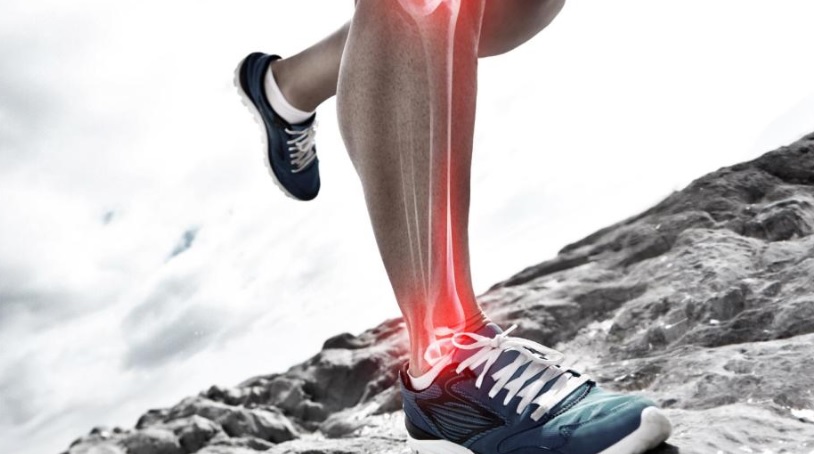
Medically, shin splints are known by the name Medial Tibial Stress Syndrome (MTSS). This pain occurs along the front of the lower shin that turns worse while running or doing heavy exercises.

Mostly, shin splints are found in runners or other athletes. If you are suffering with shin splints, remember physiotherapy in Chestermere is known worldwide for remarkable pain reduction management.

According to physiotherapists, shin splints are equally uncomfortable as painful and following are some of the recovery suggestions.

How to recover from Shin Splints

Physical assessment is an important and significant step of physiotherapy. In case of shin splints, there’s no difference.

On consulting a chartered physiotherapist, the expert will study your recent clinical exam and medical history to come up with either of the below therapy or suggestions.

Also Read : 5 Helpful Tips for Your First Acupuncture Therapy Visit

Relative Rest

According to doctors, rest is the biggest medicine of the world and nothing can match its effect. In case of shin splints, most of the physiotherapists recommend complete rest for a long period of time, before getting back to the track.

As shin splints occur due to overuse, rest is the best prescribed remedy. After the break, instead of landing into bigger tracks, start slower with shorter distances.

Monitor Load

Track your running history – take a note the distances you cover, your running style, time consumption, and symptoms of the pain. Also, identify whether something like a fast run or long run worsens your symptoms. While monitoring if you find something critical, adjust your schedule and running style accordingly.

Cross Training

If your running is leading to shin splints, try other aerobic exercises like rowing, cycling, and elliptical. Especially, avoid running on uneven or rough surfaces as that may enhance the pain. If you are an exercise freak and cant rest for a long period, replace running with less-stressful exercises once a week.

Ice Patch

Take a small paper cup and freeze water in it. After returning from the exercise, roll the ice-tube across your shin to lower the acuteness and settle the pain slowly and eventually.

Changing Shoes

For runners and other athletes, shoes are a pair of important equipment. If you have been using your ked shoes and canvases for quite a long time, then those must be reason behind shin splints. Consider changing them immediately.

Good shoes are capable of absorbing shock every time your feet hit the ground, and thereby, reduce the chances of splints. Worn out soles tend too loose the shock absorption power, so buy a new pair of canvases that are loaded with more cushioning. You will find a quick improvement in your condition.

The above suggestions are DIY tips to reduce the immediate acute pain of shin splints. But for permanent recovery from the soreness, do consult a chartered physiotherapist.

As experts are fully-trained with proper certification, they happen to know the techniques, which promote quick and faster healing. Visit a professional physiotherapist today to experience a healthier tomorrow!

6 Phases Of Post-Accident Recovery With Physiotherapy

Post an accident, you may have to undergo operations and take opioids. But often, people tend to forget the importance of physiotherapy. After accident physiotherapy in Chestermere includes an active rehabilitation process.

However critical the pain is, active rehabilitation and exercise facilitates recovery. This pain management system is a six-phase method. Here’re the different phases that you have to and must go through:

Healing Constraints in Rehabilitation

Active rehabilitation, also known as isometric method, is safe for both pre-operative and post-operative patients. In a safe comfortable process, it helps in muscle strengthening.

Controlling Joint Inflammation/Effusion

This method slowly increases blood flow in the trigger points that improves your mobility. Though the process is slow, effect is magical.

Restoring Range of Motion

Active rehabilitation exercises gradually increases your range of motion at appropriate speeds, in specified directions, and at safe torque levels. 

Restoring Strength and Improving Progress

As you are capable of moving your limbs, the inner strength of your muscles restore eventually. Also, endurance and sense of joint position gets better.

Restoring Function

Besides mobility and strength, active rehabilitation also addresses muscular acceleration and deceleration through continual exercise. Therefore, your muscles are ready for contraction, exactly how they would perform during functional activities.

Proving Outcome

The above five phases are used to empirically assess and facilitate the recovery of your affected joints, lost functionality, muscular strength, and endurance. At this phases, recent reports and normative data are compared based on certain parameters such as pain, strength, range of motion, and other customizable parameters.

You can get back your pre-injury fitness once these six phases are over. So, don’t let your pain sink. Consult an expert physiotherapist, share your medical history and present condition, and learn the active rehabilitation exercise program over a one-to-one consultation. Within days, you will become a fit person with good health and great strength.