Three ways to recover from musculoskeletal pain

The musculoskeletal system includes all muscles, tendons, joints, nerves, and intervertebral discs. In case of injury or disorder in this system can severely affect the human body’s movement. MSDs are common and can develop with increasing age. If you are going through a musculoskeletal injury, your daily activities can come to a standstill. The best way to recover from this is early diagnosis and treatment to ease symptoms and improve the long-term outlook.

MSDs do not include disorders caused by trips, falls, slips, or any similar incidents. Some examples of MSDs include sprains, strains, tears, back pain, and carpal tunnel syndrome. The musculoskeletal disorders are too costly, so they should be treated without further delay. There are few techniques perfect to heal the injury. Some of them are:
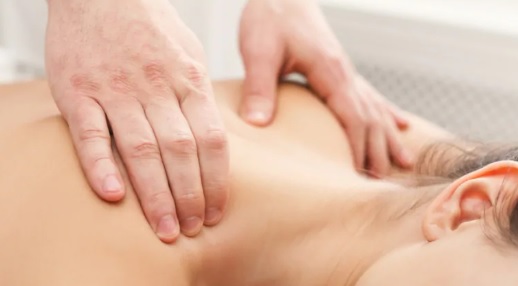
Damage to the musculoskeletal system occurs over gradual wear and tear to your body, which usually results in neck or upper limb disorder, back pain, or lower limb disorder. As a result, this could cause constant aches, swelling, extreme fatigue, and uneven sleep. There’s nothing better than massage therapy in Airdrie or elsewhere around the world to help reduce the pain. During a massage, the soft tissue gets moved around, sending chemical signals throughout your body. It increases blood circulations, reduces pain, and cuts down stress. Overall, gentle massage therapy can improve the range of movement and increase flexibility by increasing the tissue’s temperature and allowing the muscles to relax.

Researchers also found that Yoga is another way of treating musculoskeletal disorder. The studies show that patients observed physical discomfort while significantly improving their muscle strength and flexibility. The condition may improve by performing Yoga poses like the cobra, the butterfly, and the warrior pose.

Acupuncture would not be the most pleasurable technique to decrease pain, but it has proven helpful significantly. Here, needles are inserted into different parts of the body for preventive purposes. This, in turn, results in the body releasing pain-relieving endorphins.

Follow a healthy diet and regular exercise to reduce the risks of a musculoskeletal disorder.
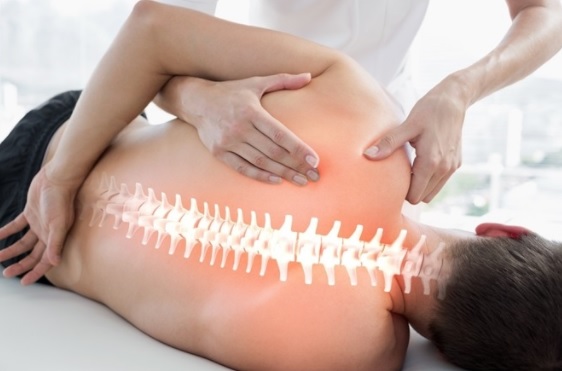
Can Physiotherapy Help To Heal Stress Fracture?

Recovering from the pain due to stress fracture with the help of physiotherapy includes five distinct phases. Every patient has to live through these phases before returning to their normal life. Visit one of the top clinics that offers the best physiotherapy in Chestermere for optimal results. Here are the five stages that can quickly improve your condition.

Injury Period (normally 4 to 6 weeks)

This period starts at the time of diagnosis, not at the time of when the athlete started to feel the pain. Avoid medications to mask pain at this period. Better to attend the chiropractic treatment sessions to permanently get rid of the pain. Yoga, stretching, and core strengthening are important to increase your fitness rate during injury phase.

Also Read – What Disorders can Massage Therapy Heal?

Recovery (usually 3 to 4 weeks)

Understanding the root cause of the stress fracture is the most important thing to do in the recovery phase. Definitely identify which of the following turned out to be the culprit:

  • mileage you were covering
  • intensity you were exhausting
  • build-up process you have adhered to
  • training error or improper methods

Also, re-check the quality of your shoes and conduct a Galt analysis to ensure neither of these are the reasons behind your stress fracture. Once all the tests and identification are done, continue the stretches and the exercises prescribed to you in the injury period to increase flexibility. 

Build Phase (approx. 3 to 4 weeks)

Till this time, pain reduction has been your sole concern. But from now onwards, you have to work on increasing your intensity. Prepare your body to return back to the athlete mode. Slowly and eventually increase your mileage and running volume. Set feasible goals for every week and try to achieve them by continuing:

  • Core exercises and yoga
  • Focus on technical stretches

Preparation for Racing

Estimation of this period is impossible as it will depend on your fitness level, distance of the race you are preparing for, and your expectations. 

Racing

Practical case studies have proven that you need to follow each of the previous steps to reach this period of recovery. If you miss any of those, you will fall down to the bottom and need to restart again from phase 1.

Live a pain-free life and enjoy your daily activities like before.