Effective Stretches For Low-Back Pain

A correct posture indicates good health of your spine. Your spine, just like the other joints of your body, likes to move! It must be able to bend backward, forward, and side-to-side, and only then, you can call it ‘fine and fit.’

Typically, stiffness swallows your back when you are sitting all day or standing in a single posture for prolonged period. To bring back the full range of motion, physiotherapy in Chestermere recommends adhering to KISS (keep it stupid simple) standard. Just five exercises daily and your spine can get back its regular health.

Lumbar Flexion

Place a chair and sit at the edge of it, spreading your feet at a distance wider than your shoulder width. Then lean forward so that your hands reach the floor. Continue to bend down so that you can see the underneath of the chair and slowly come back to the sitting posture. This exercise is also known as ‘forward bending’, which is anatomically addressed as Flexion. 

Lumbar Rotation

Position yourself identically as you do for Lumbar Flexion. Now instead of bending down, cross your arms and touch the alternate shoulders. Then stretch to your left as much as you can and return to looking forward. Repeat the same for your right and continue this for 10 times at a stretch.

Side Bending

Stand with stretching your feet at shoulder width apart. Then take your right arm over your head and lean to your left. Keep your hips straight while leaning and ensure they don’t move to either of the sides. Lean as far as you can and return to your normal posture. Repeat this for the opposite side and continue this process for 10 times on each side.

Try these exercises and you will find drastic improvement in your lower back pain. The spine health will improve slowly, and eventually, you will be free from the acute pain that has annoying for long. None of the above-mentioned exercises are difficult – easy, seamless, and less time consuming. But the effect is mind blowing!
Why Should Runners Go For Physiotherapy Treatment?

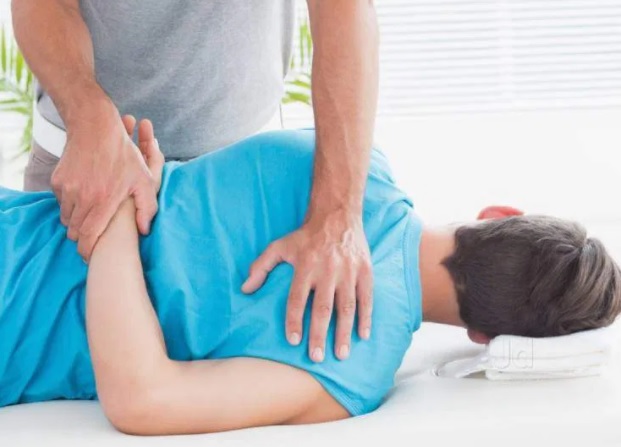
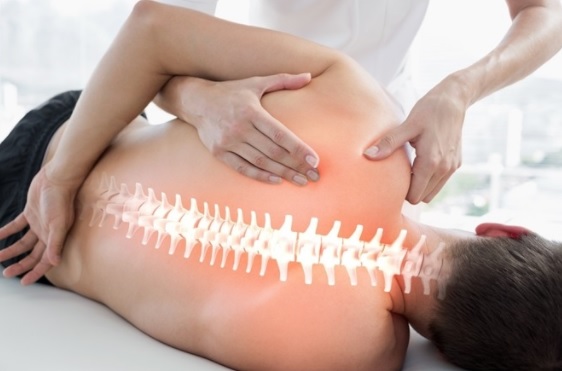
Runners, often, go off the track due to hamstring injury, shin splints, ankle injury and so forth. Invasion and drugs may help, but there’s no better way than physiotherapy. No pain, no downtime, no side effects – only with a massage technique you will be free from the long-standing soreness.

Visit a clinic that offers excellent physiotherapy in Airdrie and share your problem in details. The experts will recommend you the most compatible massage therapy that will help you heal quickly. Here’s how you’ll be benefited with professional massage therapy.

Reduced Fatigue and Muscle Pain

Runners mostly suffer muscle pain because of increased workload in terms of running more mileage or running more hours. The body starts releasing toxins like lactic acid that affects the soft tissues, resulting in injury and pain. If left untreated, the tissue may get damaged over time. However, the fatigue decreases significantly with massage therapy, improving the overall condition.

Improved Circulation and Blood Flow

Tissue damage means decreased circulation at the trigger points which leads to tightness, congestion, shortening of the tissue. Massage therapy improves circulation at the injury point and the overall recovery rate is expedited. It happens as the immune system produces a healing response in the tissue because of efficient massaging. Also, it helps release toxins from the tissue. In conjunction with hydration, these toxins are flushed from the system, thereby, lessening the soreness.

Increased Flexibility and Relaxation

Good and efficient massaging rebalances the musculoskeletal system. The tightness that you feel in the muscles at the initial stage of your injury decreases with every massage therapy session. Slowly, the runners achieve the highest level of flexibility. However, if untreated, the injured muscle may affect a second muscle in the system and you may end up in paralysis. Lastly, massage therapy also promote relaxation. Reduced soreness reduces stress, anxiety, and tension. Therefore, runners get ready to hit the track once again.

Visit a reliable physiotherapist and get treated immediately. Don’t let the pain increase and soreness eat up your happiness. Hopefully you are convinced that there’s no better treatment than massage therapy. So, consult with your physiotherapist and start taking up your sessions seriously. It’s a great way to revert back into the normal flow of life!

Can Physiotherapy Help To Heal Stress Fracture?

Recovering from the pain due to stress fracture with the help of physiotherapy includes five distinct phases. Every patient has to live through these phases before returning to their normal life. Visit one of the top clinics that offers the best physiotherapy in Chestermere for optimal results. Here are the five stages that can quickly improve your condition.

Injury Period (normally 4 to 6 weeks)

This period starts at the time of diagnosis, not at the time of when the athlete started to feel the pain. Avoid medications to mask pain at this period. Better to attend the chiropractic treatment sessions to permanently get rid of the pain. Yoga, stretching, and core strengthening are important to increase your fitness rate during injury phase.

Also Read – What Disorders can Massage Therapy Heal?

Recovery (usually 3 to 4 weeks)

Understanding the root cause of the stress fracture is the most important thing to do in the recovery phase. Definitely identify which of the following turned out to be the culprit:

  • mileage you were covering
  • intensity you were exhausting
  • build-up process you have adhered to
  • training error or improper methods

Also, re-check the quality of your shoes and conduct a Galt analysis to ensure neither of these are the reasons behind your stress fracture. Once all the tests and identification are done, continue the stretches and the exercises prescribed to you in the injury period to increase flexibility. 

Build Phase (approx. 3 to 4 weeks)

Till this time, pain reduction has been your sole concern. But from now onwards, you have to work on increasing your intensity. Prepare your body to return back to the athlete mode. Slowly and eventually increase your mileage and running volume. Set feasible goals for every week and try to achieve them by continuing:

  • Core exercises and yoga
  • Focus on technical stretches

Preparation for Racing

Estimation of this period is impossible as it will depend on your fitness level, distance of the race you are preparing for, and your expectations. 

Racing

Practical case studies have proven that you need to follow each of the previous steps to reach this period of recovery. If you miss any of those, you will fall down to the bottom and need to restart again from phase 1.

Live a pain-free life and enjoy your daily activities like before.