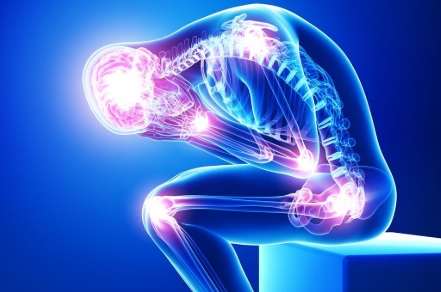
7 Physiotherapy Exercises That Help To Reduce Knee Pain

Knee pain can occur from a number of issues like ligament damage, tendons across the knee cap, cartilage injury, or arthritis. Each of these conditions are characterized by acute pain, along with minor to major swelling.

Letting this pain to sink in is the worst thing to do. Immediate actions are required in order to restore your flexibility, mobility, and range of motion. But what should be your next move? Often, people are recommended knee replacement, which is terrifying and too costly!

Also Read : How Beneficial Regular Physiotherapy Is?

The best idea is to opt for physiotherapy in Airdrie. Consult a trained professional to get an individualized treatment plan for you. Here’re seven of the most common treatment plans that physiotherapists include in your exercise program:
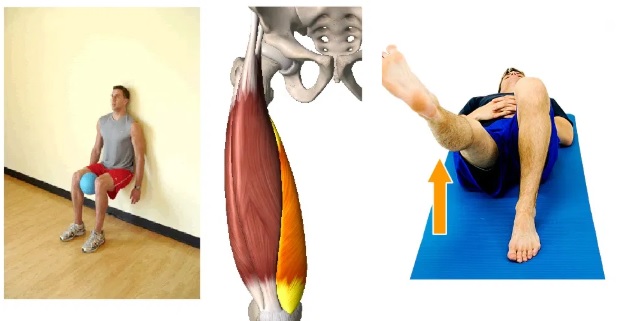
Knee Flexion Supine: Improves mobility in a stiff joint. Must be performed 30s times daily, holding for 2-3 seconds and repeating 2-3 times.

Inner Range VMO Quadriceps Lying: Activates the vastus muscles and significantly reduces the anterior knee pain. Must be performed 10-15s times daily, holding for 2-3 and repeating for 3-10 times.

VMO Strengthening Standing: Helps to strengthen muscles in the thigh, which is particularly important for knee rehabilitation. Must be performed 10-15s times daily, holding for 2-3 and repeating for 3-10 times.

VMO Strengthening Sitting: This exercise helps to stabilize your kneecap and keep it in line when you bend you knee. Must be performed 10-15s times daily, holding for 2-3 and repeating for 3-10 times.

VMO Strengthening Squat: Helps in upward tracking of the knee cap in the femoral groove. It is a common weight-bearing exercise. Must be performed 10-15s times daily, holding for 2-3 and repeating for 3-10 times.

¼ Squat: This exercise addresses positional strength as well as at higher pace to develop the rebound capacities needed for heavier weightlifting movements. Must be performed 10-15s times daily, holding for 2-3 and repeating for 3-5 times.

Split Squat:  It is a lower body exercise that help to strengthen the muscles of the legs, including the hamstrings, quads, calves, and glutes. Also, it being a single-leg exercise forces your core to work in overdrive to maintain your balance. Must be performed 10-15s times daily, holding for 2-3 and repeating for 3-5 times.

Consult a trained professional to learn the techniques of these exercises. Each of these should be performed in right manner to observe good recovery rate. 
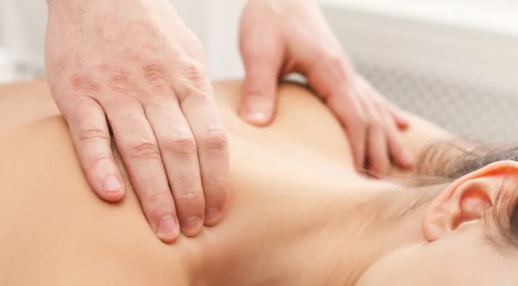
3 Major Types of Massage Therapies for Sprained Ankles

Sprained ankles can cause long lasting pain. It hurts like hell, when the sole of the foot turns inwards accidentally. You might note need a surgery for the same. However, sprays and pain killers won’t help in the long run to get rid of the pain.

What helps in these cases is a good massage therapy! Expert movements of the therapists on the sprained area can cause heat within the injured area and can relief you from the pain to some extent.

Got a sprained ankle? Visit the nearest physiotherapy centre for massage therapy in Savanna Calgary and get your ankle muscles relaxed.

If your doctor is following any of the 3 below-mentioned massage therapies for the ankles, then you’re heading towards the right direction.

Circular frictions

Within 3 days from the occurrence of the injury, even without the help of the therapist you can start applying this therapy. Don’t forget to follow the principle of RICE (rest, ice, compression and elevation) at the first instance, just when the accident occurs. Then, after 3 days if you visit the therapist you’ll find them applying circular frictions on the affected area.

How does that work? Very simple. With light pressure of the fingers, small circular frictions will be applied on the joint to reduce the swelling. No oil, no medicine – only hand movements will reduce the initial stiffness immediately.

Cross friction

Once you’ve got rid of the acute pain and can touch the ankle, the therapist will start with the cross friction massage. Depending on the tissue that has been damaged, the cross friction process involves stretching back of the ankle ligaments towards the inside to prevent the tissues from getting stiff.

Cautionary warning: It can be painful, and may seem highly painful since you’re already in pain. But, don’t tighten up the muscles or flinch too much, then the therapist will not be able to do it properly and there will be no benefits.

Calf massage

This is required in the advanced stage. This is not directly beneficial for the ankle sprains, but it will certainly loosen up the leg muscles. In the calf massage, the therapist focuses on massaging the lower part of the leg. When you’re unable to walk properly or move your legs for months, then it’s possible that lumps and knots start forming in your leg.

So, this technique ensures that when your ankle gets alright, your legs should be still in proper functioning position.

Causes, Symptoms, And Recovery Techniques Of Shin Splints

Shin Splint is a common injury that most athletes experience while working out. It mainly occurs when a person is involved in intense workout sessions like cardiovascular exercises, aerobics, weight lifting, and other types of drills.

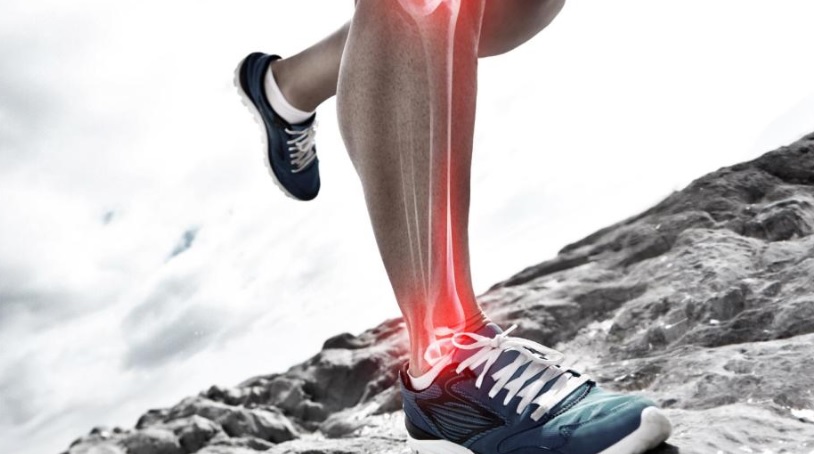
When the body gets exhausted from vigorous exercising and running, a shooting pain arouses downward through the front of your leg. Often, people mistake it as muscle pain. But actually, it’s called the shin splints, which is also known as medial tibial stress syndrome (MTSS).

Are you feeling a similar soreness? Consult physiotherapy in Airdrie. But before that, have a look at the causes and symptoms to be fully assured.

Causes of Shin Splints

Extreme exertion is the most common cause behind Shin Splint. It’s generally referred to as an overuse injury that deeply affects the tendons and muscles. Quite a few activities may lead to Shin Splints, some of them are:

  • You have tried to push your exercise limits in terms of intensity, length, and frequency
  • Breaking your routine, you may have rapidly got into a new high-impactful exercise habit
  • Running over steep, or uneven surfaces like rocky or concrete faces causes shin splints
  • Your feet may have a higher than normal arch or they are flat or lack flexibility
  • You have worn the wrong pair of shoes before exercise activities
  • You haven’t warmed-up properly, so your muscles didn’t get the chance to be fully flexible
  • Maybe you don’t have proper training or you don’t know the techniques of the exercise

These are only a few of the many causes of shin splints. Avoid these types of activities to keep yourself away from shin splints.

Also read : 4 Tips To Recover From Shoulder Injury

Symptoms of shin splints

  1. Lower portion of leg feels or appears to be swollen
  2. A lingering ache and a dull, tender, sore sensation inside the shinbone
  3. The soreness intensifies before and after exercise and never really goes away
  4. Whenever you press down or across thee trigger point, the pain worsens

If you ever experience any signs of these symptoms, stop your regular exercise habit and quickly consult a physiotherapist. Improper DIY treatment may lead to fracture or deep-tissue damage or disability for lifetime. Also, don’t neglect your pain for long. Schedule a session with your physiotherapist and quickly get rid of the pain.

Besides consultation, you should avoid your warm-up sessions. You may be allowed to do only a few stretches that too under the proper guidance of a specialist. In some instances, you may need to wear orthotics. And in a few weeks, you will be free from the acuteness.

Therapeutic Massage Acts as a Stress Reliever

Are you stressed lately? Are your muscles getting strained? Then, a massage can work wonders. With increasing work pressure, the sweet essence of life is lost.

Every individual nowadays is preoccupied with thoughts of money, family, health, wealth and relationships. The feeling of being restless all the time and suffering from a lack of concentration on a single aspect has become difficult.

Is your restlessness making you fatigued very easily? Then you probably are not being able to enjoy any social gatherings. If you have anxiety issues, don’t take it lightly. It may not show any physical side effects, however, it will hamper your normal life.

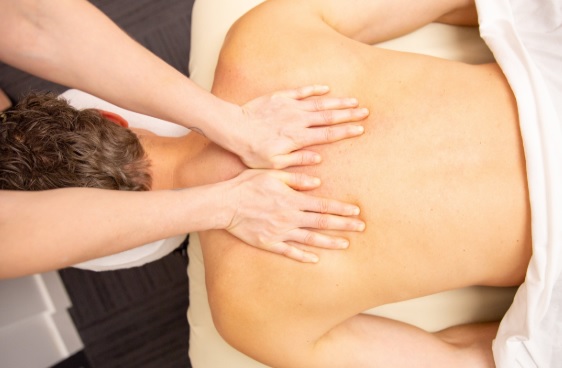
Thus, availing good massage therapy in Savanna Calgary can solve the majority of your problems. A professional therapist can work magic with his fingers! The therapist will manipulate the muscles and energize your soft tissues to promote a feeling of relaxation.  

Here’s a list of common stress-relieving massage therapies that can ease your mental health problems and offer a beautiful life ahead.

Also Read – 5 Reasons for Undergoing After- Accident Physiotherapy Treatments

Deep Tissue Massage

Overthinking or getting hyper in some situations may cause your muscles to get tightened by stress. With the help of this massage, you can get rid of the stiffness.

With trained and experienced hand movements, the therapist will also be able to increase the blood flow and reduce body inflammation. For sportspeople, deep tissue is the medicine for all their aches.

Reflexology

Acute stress can lead to migraines and back pain. This can become your life-long friend. Reflexology is such cases can solve your problem by treating the source illness.

It’s an easy process where pressure is applied at different parts like feet, hands, and ears and promotes relaxation in the nervous system.

Aromatherapy Massage

With the essence of essential herbal oils, feel the positive effects of aromatherapy massage. Stress is directly related to mood swings.

With the help of aromatic therapy massage, you can get rid of long-lasting pain, enhance your mood and experience a sense of pleasure, peace, and relaxation. Boost your energy sources by availing a soothing aromatic therapy.

Swedish Massage 

The most common type of massage technique where long strokes, tapping, and light rhythmic strokes help in relieving the muscle tension and energizes the cells.

This is not only a stress reliever but also helps in pumping excess blood to the heart. Hence, for all heart patients, this is a good way to keep your heart running like a horse.

If you’re a shy person, then a small note for you – Swedish massage involves treatment of the lower back portion. Although there’s no taking out of clothes scene, however, you may have to cooperate with the therapist for getting the best results out of it.

Don’t let the stress rule your life. Move on to the path of reduced anxiety with the help of yogas, meditations, and massage therapies.

Everyday stress management is highly essential so that you can experience a successful, peaceful and healthy life ahead.

Expert Tips on Reducing Shin Splints With Physiotherapy

Medically, shin splints are known by the name Medial Tibial Stress Syndrome (MTSS). This pain occurs along the front of the lower shin that turns worse while running or doing heavy exercises.

Mostly, shin splints are found in runners or other athletes. If you are suffering with shin splints, remember physiotherapy in Chestermere is known worldwide for remarkable pain reduction management.

According to physiotherapists, shin splints are equally uncomfortable as painful and following are some of the recovery suggestions.

How to recover from Shin Splints

Physical assessment is an important and significant step of physiotherapy. In case of shin splints, there’s no difference.

On consulting a chartered physiotherapist, the expert will study your recent clinical exam and medical history to come up with either of the below therapy or suggestions.

Also Read : 5 Helpful Tips for Your First Acupuncture Therapy Visit

Relative Rest

According to doctors, rest is the biggest medicine of the world and nothing can match its effect. In case of shin splints, most of the physiotherapists recommend complete rest for a long period of time, before getting back to the track.

As shin splints occur due to overuse, rest is the best prescribed remedy. After the break, instead of landing into bigger tracks, start slower with shorter distances.

Monitor Load

Track your running history – take a note the distances you cover, your running style, time consumption, and symptoms of the pain. Also, identify whether something like a fast run or long run worsens your symptoms. While monitoring if you find something critical, adjust your schedule and running style accordingly.

Cross Training

If your running is leading to shin splints, try other aerobic exercises like rowing, cycling, and elliptical. Especially, avoid running on uneven or rough surfaces as that may enhance the pain. If you are an exercise freak and cant rest for a long period, replace running with less-stressful exercises once a week.

Ice Patch

Take a small paper cup and freeze water in it. After returning from the exercise, roll the ice-tube across your shin to lower the acuteness and settle the pain slowly and eventually.

Changing Shoes

For runners and other athletes, shoes are a pair of important equipment. If you have been using your ked shoes and canvases for quite a long time, then those must be reason behind shin splints. Consider changing them immediately.

Good shoes are capable of absorbing shock every time your feet hit the ground, and thereby, reduce the chances of splints. Worn out soles tend too loose the shock absorption power, so buy a new pair of canvases that are loaded with more cushioning. You will find a quick improvement in your condition.

The above suggestions are DIY tips to reduce the immediate acute pain of shin splints. But for permanent recovery from the soreness, do consult a chartered physiotherapist.

As experts are fully-trained with proper certification, they happen to know the techniques, which promote quick and faster healing. Visit a professional physiotherapist today to experience a healthier tomorrow!

6 Phases Of Post-Accident Recovery With Physiotherapy

Post an accident, you may have to undergo operations and take opioids. But often, people tend to forget the importance of physiotherapy. After accident physiotherapy in Chestermere includes an active rehabilitation process.

However critical the pain is, active rehabilitation and exercise facilitates recovery. This pain management system is a six-phase method. Here’re the different phases that you have to and must go through:

Healing Constraints in Rehabilitation

Active rehabilitation, also known as isometric method, is safe for both pre-operative and post-operative patients. In a safe comfortable process, it helps in muscle strengthening.

Controlling Joint Inflammation/Effusion

This method slowly increases blood flow in the trigger points that improves your mobility. Though the process is slow, effect is magical.

Restoring Range of Motion

Active rehabilitation exercises gradually increases your range of motion at appropriate speeds, in specified directions, and at safe torque levels. 

Restoring Strength and Improving Progress

As you are capable of moving your limbs, the inner strength of your muscles restore eventually. Also, endurance and sense of joint position gets better.

Restoring Function

Besides mobility and strength, active rehabilitation also addresses muscular acceleration and deceleration through continual exercise. Therefore, your muscles are ready for contraction, exactly how they would perform during functional activities.

Proving Outcome

The above five phases are used to empirically assess and facilitate the recovery of your affected joints, lost functionality, muscular strength, and endurance. At this phases, recent reports and normative data are compared based on certain parameters such as pain, strength, range of motion, and other customizable parameters.

You can get back your pre-injury fitness once these six phases are over. So, don’t let your pain sink. Consult an expert physiotherapist, share your medical history and present condition, and learn the active rehabilitation exercise program over a one-to-one consultation. Within days, you will become a fit person with good health and great strength.

5 Helpful Tips for Your First Acupuncture Therapy Visit

The mere thought of getting pricked by a needle makes lots of people scared, uncomfortable and uneasy.

However, for the last 3000 years curing mental problems and nerve diseases by pricking needles has been a common practice. We commonly know it as acupuncture therapy.

Are you suffering from arthritis or muscular aches? Then the suggestion of using acupuncture therapy must’ve been given to you every now and then. Don’t panic. It may seem painful, but in reality, acupuncture therapy treats the whole body and is a clinically powerful tool.

If you’re ready to try it out, then approach any professional who provides Acupuncture Therapy in Saddleridge Calgary to get soothing results.

For all first-timers, we’ve some handy tips that’ll help you overcome the anxiety and make the process easier.

Also Read : Shockwave Therapy: Everything You Need To Know

Tip1: Be Calm, Relaxed and Patient

You can enjoy the therapy. All you need to do is take a deep breath and keep yourself calm. Drive away the thought of pain from your mind. Remember, experts, are working on your body. No need to be afraid.

Tip 2: Know When to Stop

Be patient – don’t expect to get cured just after the first treatment. However, be smart to know when you need to quit the process. For beginners, a small tip – if you feel consistent pain throughout the process, then check with your therapist. Keeping mum may result in negative effects on your nervous system.

Tip 3: Don’t go Empty Stomach

Having butterflies in your stomach just before entering the therapy room? Surely, you’ve not eaten anything!

Your therapist might forget to tell you, but it’s highly important that you eat at least some snacks a few hours before the treatment.

If you get acupuncture done in an empty stomach, there’s a high probability that you may end up on the floors of the therapy room!

Tip 4: You Can Keep Your Clothes On

Good news – you don’t need to lie naked in the therapy room! It’s a common thought that lingers in the mind of the patients which stops them from availing acupuncture therapies.

In reality, acupuncture therapists use the sensitive nerve endings of your body like feet, neck, ears, and toes and back for treatment. Hence, you’ve to expose only a small part of your body.

Tip 5: Don’t Be Shy and Introvert

Expect embarrassing and personal questions from the therapist when you do for the acupuncture process.

If you’re experiencing menstrual pains, then the therapist will required details about your menstrual cycle. If you stay silent or try to hide information, then you’ll be at a loss.

To get an accurate diagnosis and quick treatments, give correct information to your therapist.

Acupuncture is supposed to be relaxing and enjoyable. If you don’t feel the same, then you must question the ability of your therapist.

Next time when you’re planning a visit to a therapist, you know what to expect.

Approach the therapist confidently and get cured with this remarkable physiotherapy process.

Reduce Anxiety with Massage Therapy

Anxiety is a common illness and highly treatable. Statistics show that in the US, anxiety affects almost 40 million adults. Generalized Anxiety Disorder (GAD) is the most common among older adults, and this population is frequently associated with traumatic events such as acute illness.

Anxiety disorders are real, severe medical conditions just as physical disorders like heart disease or diabetes. The term ‘anxiety disorder ’ involves GAD, panic disorder and panic attacks, social anxiety disorder, separation mutism, separation anxiety, and certain specific phobias.

Also Read – Chiropractic Care for Neck Pain

Do you know that massage in all cultures is used to evoke a sense of deep relaxation and reducing anxiety? These massage benefits are perhaps associated with changes in EEG activity, decreased levels of cortisol, and increased parasympathetic nervous system.

Let’s learn how massage can work its way through anxiety.

  1. Massage helps decrease tension so you can feel the relaxation in the body, resulting in a peaceful mind and an uplifted spirit.
  2. The sympathetic nervous system is activate when we are stressed. Massage can calm the nervous system by lowering blood pressures and heart rate to reduce feelings of anxiety.
  3. A study shows a 30% increase in feel-good chemicals in the brain during massage sessions.
  4. If we are anxious, we may have difficulty focusing on particular tasks. Massage offers a way to help relieve the tension, so you can concentrate on receiving the care you require.
  5. Massage Therapy can enhance your mood and help you sleep better, leading to a boost in energy. You will feel more well-rested, motivated, and ready to seize the day.
  6. Massage Therapy in Calgary is known to decrease anxiety and reduce irritability. The treatment gives one a time-out to understand and become aware of our more profound layers of wellbeing.

Studies show that about 8% of children and youth experience an anxiety disorder, with most developing symptoms before age 21. If you or your loved ones are dealing with anxiety, consult an experienced and efficient massage therapist soon.

6 Things Everyone Should Learn About Chronic Pain

Long-standing pain is known as chronic pain. Normally, these are aftermaths of movement dysfunction, injury, muscle imbalances, or diseases such as peripheral neuropathy or rheumatoid arthritis.

The more you let the pain sink in, the more your body will be in danger. So, it’s important to consult a physiotherapist on an immediate basis. Physiotherapy in Airdrie is a famous for its excellent treatment plans those are capable of managing chronic pain quite easily.

If you keep neglecting your chronic pain, then you may have to leave with certain dysfunction for lifetime. Usually people do this as they live with some myths about chronic pain. So, to make you aware of the reality, here’re some did-you-know facts about the persistent pain and soreness.

Real facts around chronic pain

Not Psychological, But Real

Pain is driven by your brain, so patients sometimes cannot diagnose whether chronic pain is for real or psychological.

As a result, treatment gets delayed. However, you must understand that when you have an injury, pain sensors around the trigger point get activated and transmits signal to your brain.

These are electric signals which tells you about the feeling of pain. The transmission stops when the injury heals completely. In case of chronic pain, the signal transmission doesn’t stop even after the injury heals. That’s when you need physiotherapy consultation.

Affects Metal Health, Causes Depression

Chronic pain not only annoys you physically, but also affects your mental health. Such persistent pain prevents you from doing regular chores and exercises. It affects your sleep, mood, concentration, and appetite.

This continuous feeling of pain also develops anxiety, within you that eventually results in depression. Effective treatment plans must include cognitive therapy, regular exercises, and physiotherapy.

Chronic Pain and Isolation

Long-standing pain is hard to deal with as it upsets the health, mood, and mind. If you are suffering from chronic pain, the last thing that you want to do is getting outside the home.

People start avoiding parties and gatherings as they know they cannot engage in the activities those they used to enjoy. The pain slowly leads you to isolation, misunderstanding, mood swings, and miseries. Consult a physiotherapist immediately to restore your wellness and good health.

Find a good physiotherapist in Airdrie and share your problem. The expert will design a compatible treatment plan for you that will help you recover soon.

5 Ways to Recover After Accident With Physiotherapy

Physiotherapy is the best way to recover from acute and severe pain without invasion and medication. It not reduces your soreness, but also helps to keep you fit and strong.

If you have met with a car collision recently and suffering from whiplash, joint pain, frozen shoulder, or headache, then you should consult a physiotherapist. An expert will guide you with the most-appropriate approaches of after accident physiotherapy in Chestermere. Here’re some of the common techniques that most physiotherapists follow. Have an idea beforehand to avoid negligence later.

Types of after accident physiotherapy

  1. Shockwave Therapy: An array of acoustic low-energy pulsations is created and applied directly on the trigger points, through patients’ skin. A gel medium is used to penetrate the shockwave deep inside your muscles and tissues.
  2. Lumbar Support: This physiotherapy technique is applied when the patient is suffering from post-accident lower back pain. Within a few sessions, your spine health improves and you get back the flexibility of your lower abdominal part of the body.
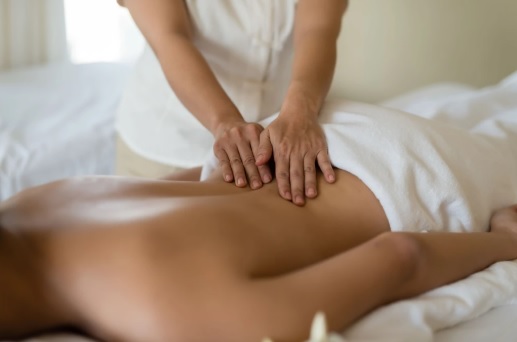
  3. Massage Therapy: When you are suffering from deep tissue injury or musculoskeletal pain post an accident, massage therapy works best. The pain is relieved by applying a little pressure on your soft tissues, the amount of which is increased gradually.
  4. Joint Mobilization: If you have hurt any joint of you body from the accident, like the shoulders, knees, or elsewhere, you need a joint mobilization. It’s a manual therapy intervention that addresses joint gliding with the aim of attaining a therapeutic effect.
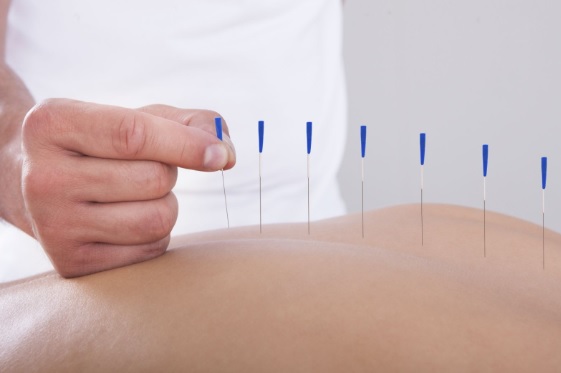
  5. Acupuncture: Especially for muscle pains, acupuncture works best. It helps to relieve pain quickly, returning your muscle flexibility and inner strength. In this treatment, thin needles are inserted through your body on the trigger points to various depth for perfectly addressing the pain.

Whom should you visit?

Find a well-recommended physiotherapist in Chestermere. When you are in pain, you need an expert’s advice. Physiotherapy includes a lot of technicality that only a professional can perform. Otherwise, you may end up losing your flexibility, mobility, and strength. To ensure something like that never happens, consult a pro-physiotherapist near you and discuss on which of the above methods are suitable for your type of pain and body type.